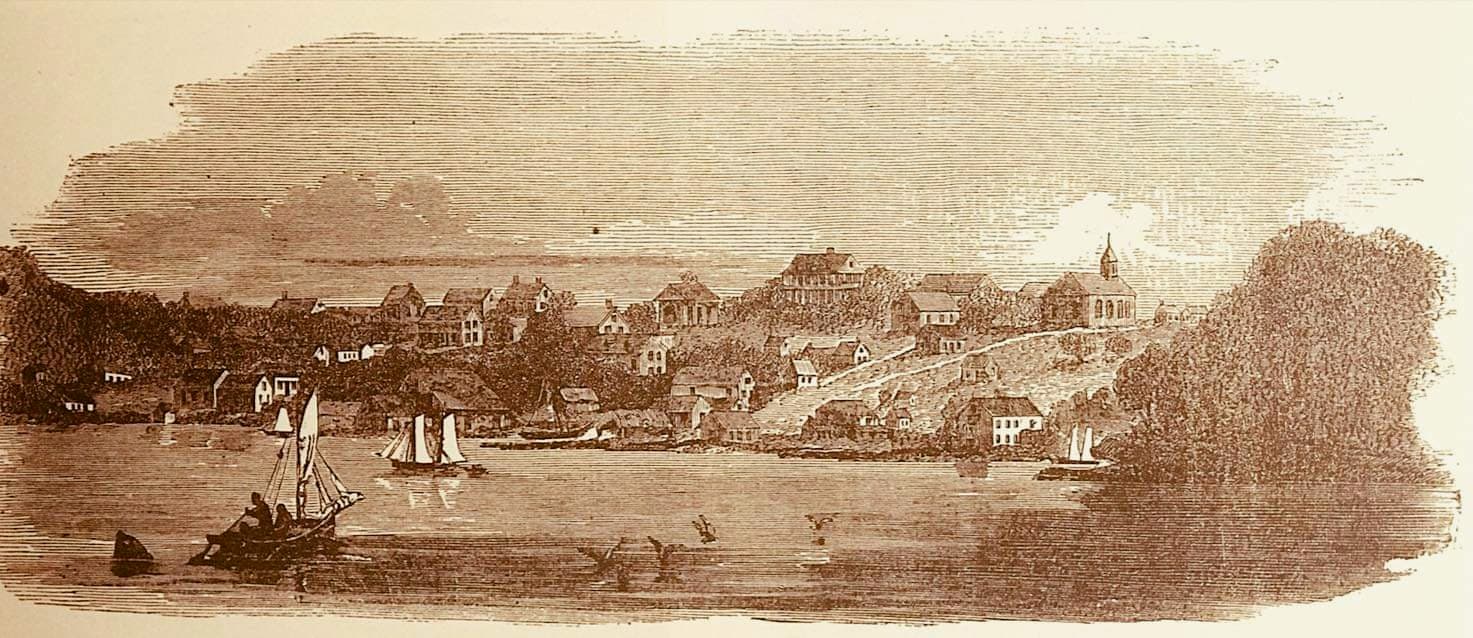
An 1850s engraving of the harbor at Monrovia, Liberia
An 1850s engraving of the harbor at Monrovia, Liberia, based on a now-lost daguerreotype by Augustus Washington of Connecticut, one of the first Black commercial photographers in America. He was a free man who emigrated to Liberia himself and became a successful sugar cane farmer and Speaker of the Liberian House of Representatives. (Image credit: Smithsonian Institute)
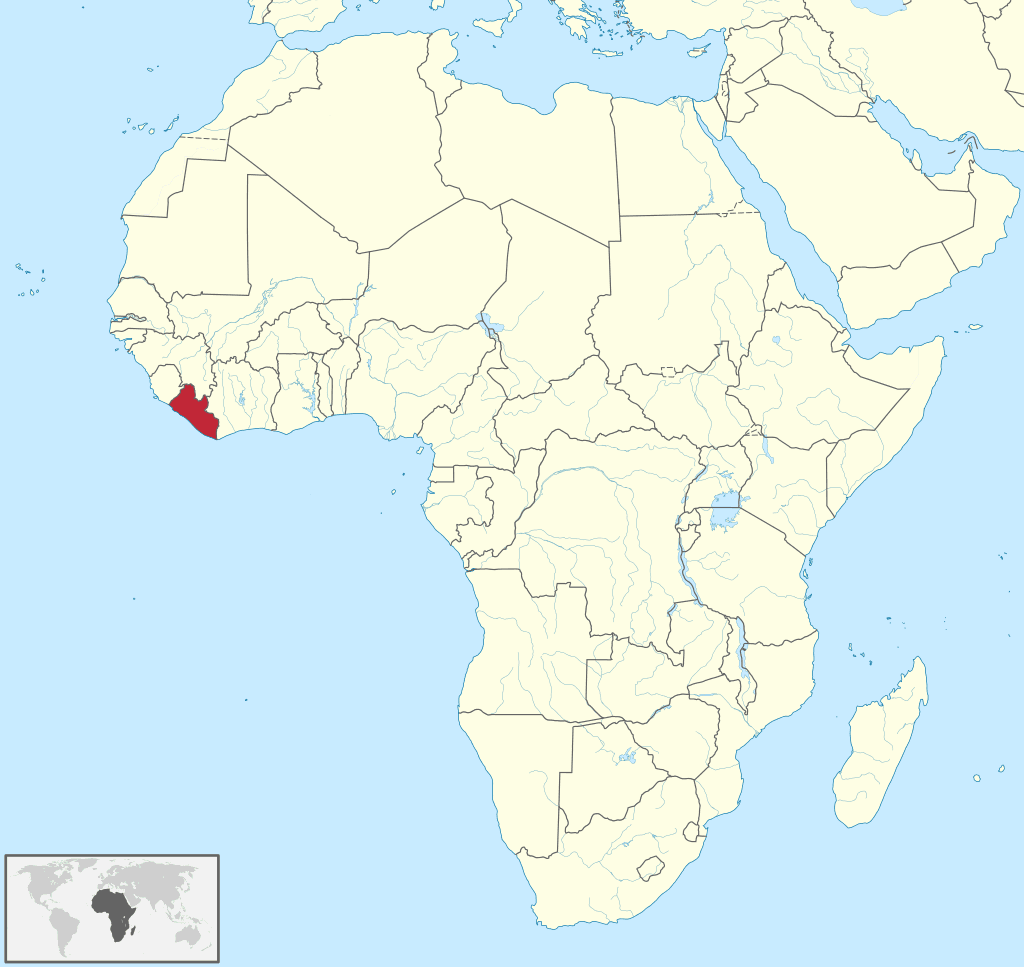
Map of Africa highlighting Liberia on the West Coast
Liberia is on the West Coast of Africa in a region hit hard by the slave trade, which Black American settlers refused to tolerate, using force to drive off slave traders and attack their factories.
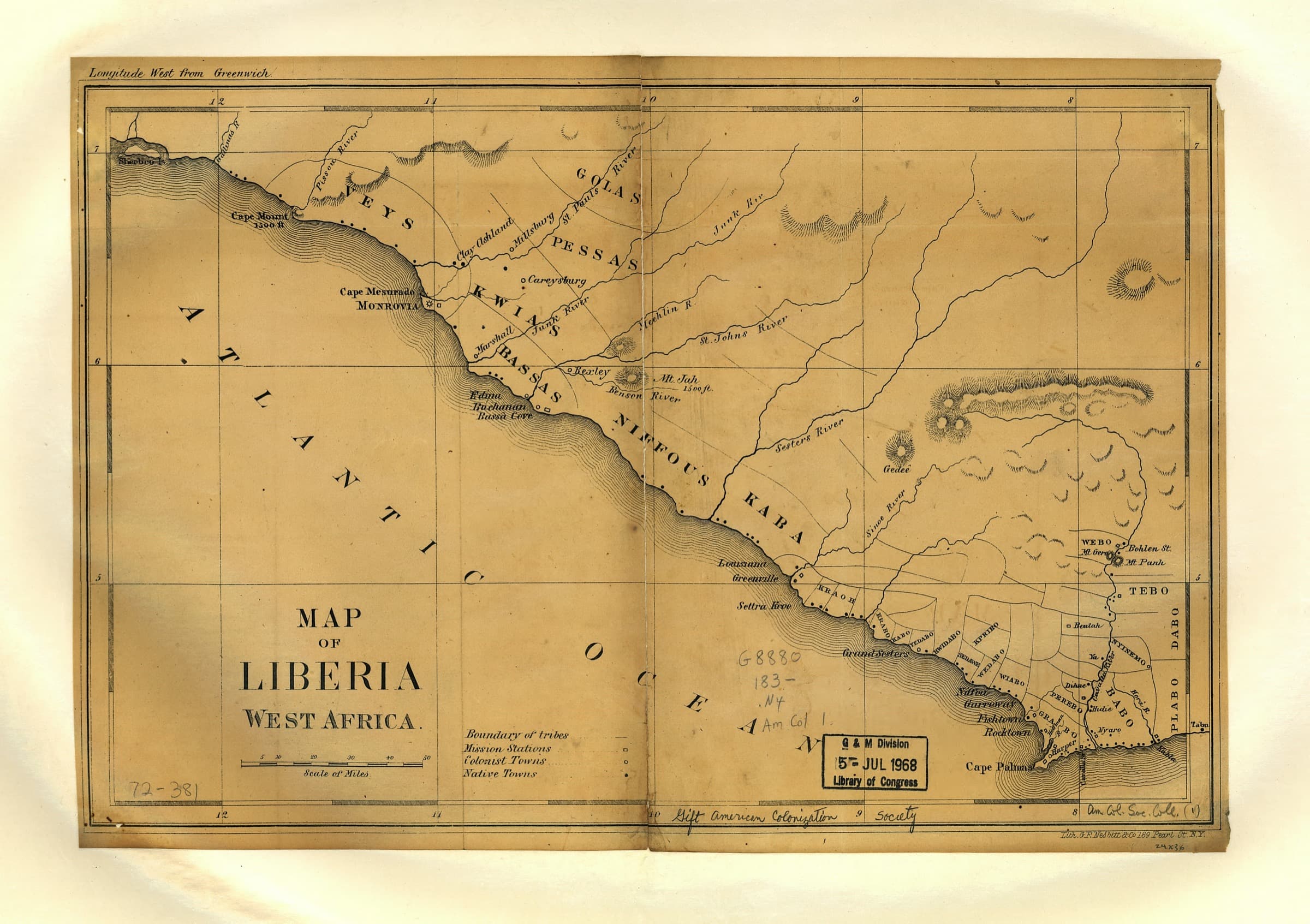
A mid-1850s map of Liberia showing settler towns and indigenous regions
A mid-1850s map of Liberia with some Black American settler towns and villages amid the many indigenous regions and people. / Library of Congress
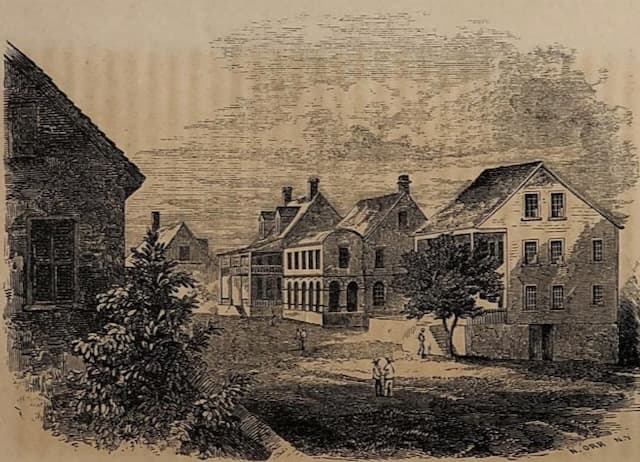
Engraving of houses in Monrovia in the mid-1850s, including the Liberian president's home
This engraving shows Monrovia as it was a few years before the 1865 emigrants from Lynchburg arrived. The house with the rounded porch roof was the home of the Liberian president. / from Day Dawn in Africa by Anna M. Scott (1858)

Chronology

  1. Total of 375 emigrants to Liberia from Lynchburg area.

  2. Virginia passes law that anyone freed from enslavement after 1806 must leave the state or return to slavery.

  3. Lynchburg Colonization Society founded by local enslavers. Most Black people oppose colonization.

  4. First Lynchburg family emigrates to Liberia. Already free, they weren’t sponsored by Lynchburg Colonization Society.

  5. Colonization expands to include enslaved people freed only if they agree to emigrate to Liberia.

  6. Lynchburg Colonization Society dissolves amid growing opposition.Nancy Lynch family, freed by grandson of John Lynch, ask to go to Ohio, coerced to go to Liberia instead.

  7. Liberia becomes sovereign nation with elected legislature.

  8. Washington Copeland, enslaved, convinces 48 people from Lynchburg area to emigrate in small family groups.

  9. Total emigrants sent to Liberia from US since 1822: 10,545. Death rate: 50 percent. Indigenous population: 250,000.

  10. Civil War ends, local whites redouble efforts, sometimes via violence, to oppress Black people, claiming they are not “free men” but only former slaves.

  11. Organizing themselves, 172 people from Lynchburg emigrate to Careysburg, Liberia in one large group.